Beginners Guide to Chickens
Raising chickens in your backyard can be a rewarding experience, providing you with fresh, delicious eggs and hours of entertainment. But before you dive into coop construction and chick selection, here’s a beginner’s guide to get you started: 1. Check Your Local Laws: * Not all cities and counties allow backyard chickens. Before you get your heart set on a flock, research local ordinances to ensure keeping chickens is legal in your area. 2. Consider Your Needs: * Think about how many eggs you’d like to collect and how much space you have available. Chickens typically need 3-4 square feet of coop space per bird, and plenty of room to roam outdoors. 3. Prepare the Coop: * Your coop should be a safe haven for your chickens, protecting them from predators and the elements. Provide adequate ventilation, nesting boxes, roosting bars, and a deep layer of bedding for chicks or adult hens. 4. Chicks or Adult Hens? * Deciding whether to start with chicks or adult hens depends on your preference. Chicks are adorable, but require more care. Adult hens will start laying eggs sooner. 5. Feeding Your Flock: * A balanced diet is vital for healthy chickens. Chicks have different needs than adult hens. Provide a commercial feed appropriate for their age, along with fresh water, grit, and oyster shells. 6. Keeping Your Chickens Safe: * A secure coop is essential to protect your flock from predators like foxes, hawks, and raccoons. Regularly check the coop for weaknesses and repair any breaches. 7. Enjoy Fresh Eggs! * Once your hens reach maturity, you’ll be rewarded with fresh, delicious eggs. The eggs will typically have deeper orange yolks than store-bought eggs.
All About Call Ducks
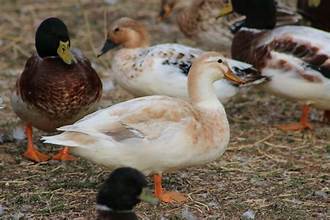
The Call of the Cutest: All About Call Ducks Call ducks, with their adorable looks and distinctive quacks, are a popular choice for both backyard flocks and bird shows. But these little feathered friends are more than just cute faces. Let’s dive into the world of call ducks and explore their history, appearance, and what it takes to care for them. A History of Honking: Call ducks have a rich history, believed to have originated in the Netherlands as early as the 17th century. Originally called “decoy ducks,” they were used by hunters to lure wild ducks with their loud, high-pitched calls. Today, they’re more likely to be found in ponds or strutting around backyards, charming everyone they meet. Small But Mighty: Call ducks are the bantamweights of the duck world. These compact birds are known for their round heads, short bills, and deep chests. They come in a variety of colors, from classic white and black to charming blues and even mallard patterning. While females are the true chatterboxes, both males and females have a friendly and curious disposition. Life with a Call Duck: Thinking of welcoming call ducks to your home? Here’s what you need to know: Call ducks can be delightful companions, bringing a touch of feathered fun to your life. By understanding their needs and providing them with a loving home, you can enjoy the company of these charismatic little ducks for many years to come. A Dazzling Display of Colors: The variety of call duck colors is part of what makes them so appealing. Here’s a list of some recognized colors by the American Poultry Association (APA): There are also other less common colors you might find from breeders, such as Khaki, Butterscotch, and Appleyard.
Cracking the Code: A Guide to Chicken, Duck, Goose, and Quail Eggs

We all know and love the humble chicken egg, a breakfast staple and baking essential. But did you know there’s a whole world of other poultry eggs out there, each with its own unique qualities? From the giant goose egg to the tiny quail egg, let’s crack open the differences and explore which one might be perfect for your next culinary adventure. Size Matters: Flavor Profile: Nutritional Powerhouse: Cooking Considerations: Finding Your Perfect Egg: Chicken eggs are widely available and affordable, making them a great everyday choice. Duck eggs can often be found at specialty stores or farmers markets, and their richer flavor adds a luxurious touch to dishes. Goose eggs are a rarer find, but if you come across them, be prepared for a unique baking or breakfast experience. Quail eggs are gaining popularity for their delightful size and flavor, and they can often be found in gourmet grocery stores. So next time you’re at the grocery store, don’t be afraid to venture beyond the chicken egg section. With a little exploration, you might just discover your new favorite way to crack open a delicious breakfast or elevate your next culinary creation!
What You Need to Know About Farm Fresh Eggs
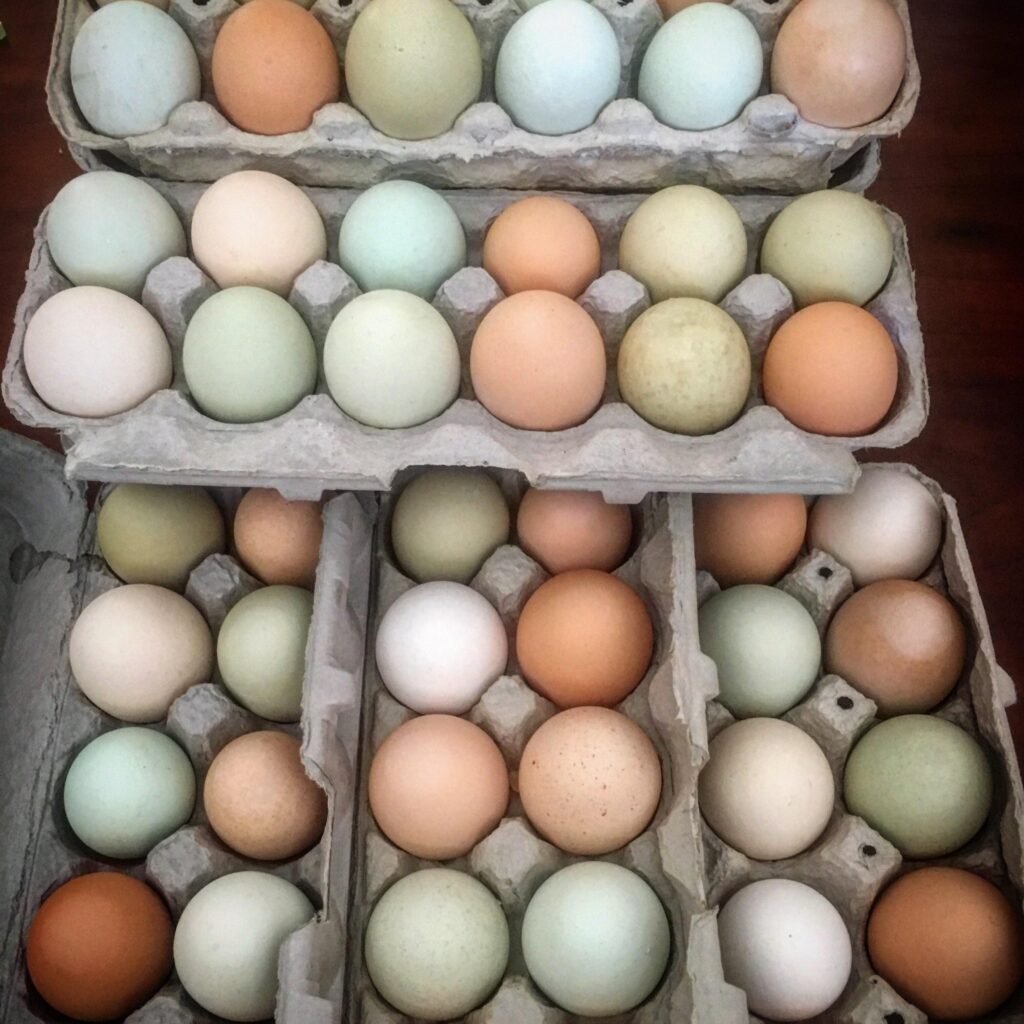
When you are dealing with farm-fresh eggs, there is a lot you need to know. The main reason most people keep chickens is because of the farm-fresh eggs those special chickens produce each day! Most people get their eggs from a farm or they have chickens to lay the eggs for them. While eggs aren’t traditionally complicated, there are some things you need to know about farm-fresh eggs. Table of Contents How to Clean Chicken Eggs Should you clean chicken eggs right away? I say no. This is because when you wash the eggs you’re washing off the bloom. Washing eggs should come later, not before you store them on your countertop. When you do decide to wash the chicken eggs you need to use warm water so that it kills the bacteria. How to Store Chicken Eggs For most of your life, you have stored eggs in the fridge to keep them from going bad. When you buy eggs from the store, you should keep those in the fridge. However, eggs straight from the chicken to your home have bloom (a protective layer). Bloom helps keep the bacteria out of the eggshell and the egg itself. You can store farm fresh chicken eggs on the countertop for a month and they will still be good. At that point, you may want to start moving them to the fridge. I like to eat my farm fresh eggs within two weeks. I think they taste better that way! Since there are only two of us at home, we don’t go through as many eggs as some of you bigger families. Keeping eggs at room temperature is a good thing. This keeps eggs at the right temp for cooking too. Yes, eggs stored on the shelf or countertop are safe to eat. Farm Fresh Chicken Eggs Vary in Size As you buy eggs or raise chickens who lay eggs, you will notice that some eggs are big and some eggs are small. Some breeds of chickens lay really big eggs and some lay really small eggs. The size of the egg you get depends on the day and the chicken. I guess that’s what is special about farm fresh eggs, they’re all pretty unique! What to do With Chicken Poop on Eggs? If you don’t know this, it’s time that you do. Chicken poop and chicken eggs come out of the same spot. You can usually tell a farm-fresh egg from a store-bought egg because the farm-fresh egg is likely to have some poop on it. What are Nesting Boxes? If you have thought about having your own chickens, you may be wondering what a nesting box is. As fancy as it sounds, it’s just a box in which chickens can lay their eggs. The neat thing about nesting boxes is that you can put a variety of items to make it more nest-like. Wood shavings and straw are good choices for a nesting box. You can also use sawdust in nesting boxes. Nesting boxes need to have their content changed every couple of weeks. This helps keep everything more sanitary. Why Do Eggshells Have Different Colors? The really cool thing about farm fresh eggs is the color! There is nothing more to the shell of an egg than the chicken itself. The breed of the chicken is the only thing that determines the color of the shell. The color of the egg doesn’t really matter all too much. You will notice there are white eggs, brown eggs, and I’ve even seen a blue egg before. Free-range eggs can even have different egg sizes bases on the type of chicken you have! How to Know if Farm Fresh Eggs are Good If you have a farm-fresh egg, there isn’t any kind of expiration date on it. You need to know all about whether those eggs are good or bad. Here are a few tips to keep in mind. Of course, if you are like me and don’t really pay attention to the date of the eggs, none of this really matters. And some of you go through eggs so quickly, you don’t even have to worry about whether the eggs are fresh or not. Do Chickens Get Mad if You Take Their Eggs? You would naturally think a chicken would be mad if there was someone taking their eggs. However, for the most part, they aren’t bothered by it. As long as you aren’t hurting the chicken or scaring it, you should have no problem going for those eggs! What’s the Difference in Taste Between Farm Fresh and Store Bought? If you have ever purchased store-bought and also tried farm-fresh, there really isn’t any comparison. Farm fresh eggs are so much better. They are fresher and the taste is obvious. Of course, if you’re used to eating store-bought eggs, you may not be sure of the taste right away. However, I think farm fresh is better, hands down. Do Rodents Eat Chicken Eggs? Good question. Do rodents eat chicken eggs? Rats have no problem raiding and killing young chickens and taking eggs for themselves. This is something you really have to stay on top of. You can keep mice and other rodents out of the area by storing eggs in proper spots after they have been laid. You can also keep mice out of the area by keeping things as clean as possible. You do not want a problem of mice or rats eating your chicken eggs. Take proper precautions to keep this from happening. Why Do My Chicken Eggs Have Blood Spots on Them? If you have never seen blood spots on your chicken eggs, you may be wondering what these spots mean. A blood spot on the chicken egg is simply a ruptured blood vessel in the chicken when she was laying the egg. Most experts would agree that this is nothing to worry about. Final Word If you’re on the fence about farm fresh eggs, then perhaps this post will help you understand the
